
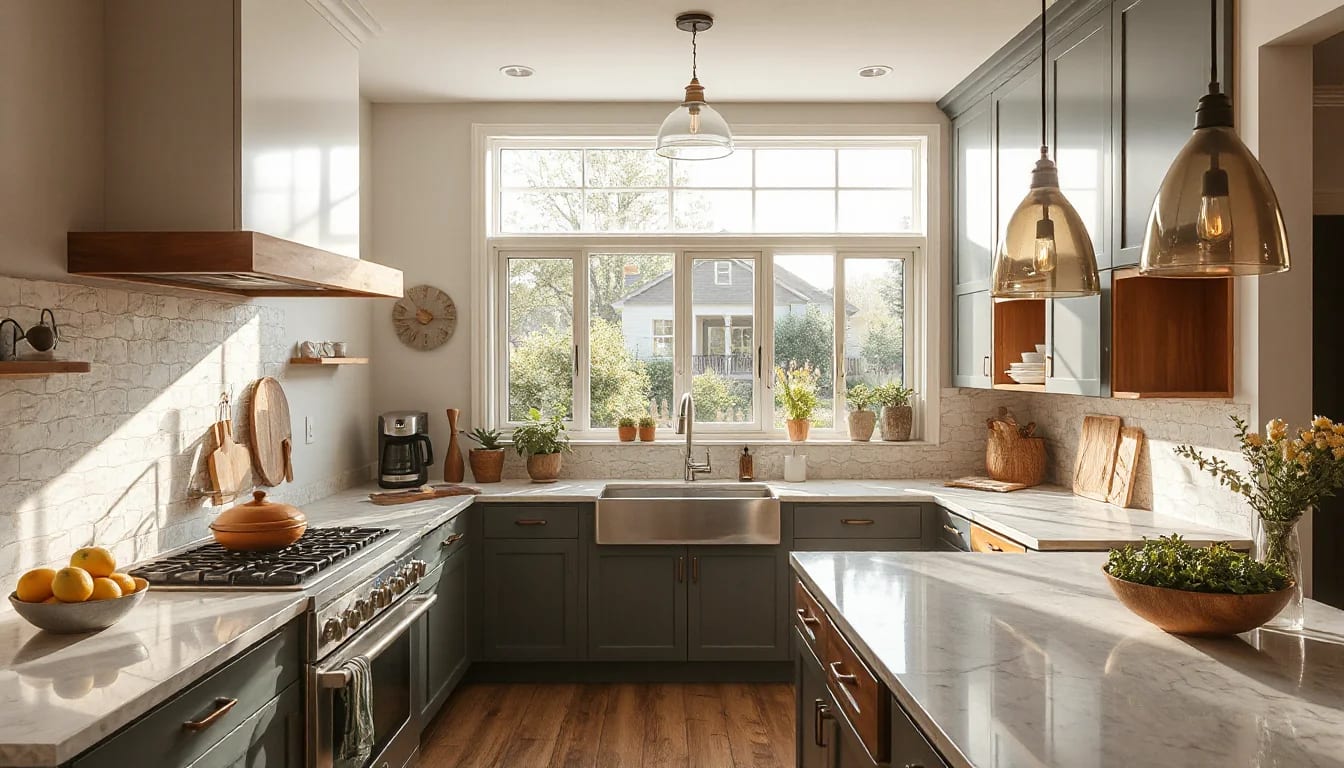
A kitchen update does not need to become a full-scale renovation to make a stronger impression at resale. In Vintage Greens, thoughtful choices in surfaces, lighting, storage, and condition can help a home feel more current while keeping the project grounded in the home’s price range and overall style. The most effective upgrades are the ones buyers can see, use, and understand immediately.
Start With the Kitchen’s First Impression
For many buyers, the kitchen is where the practical evaluation of a home quickly becomes emotional. It is a working space, but it is also a place where people picture daily routines, entertaining, and simply setting down groceries after a long day. That makes visible condition especially important. A kitchen with clean lines, coordinated finishes, and good light can make the rest of the home feel more cared for before a buyer has opened a cabinet or reviewed an inspection report.
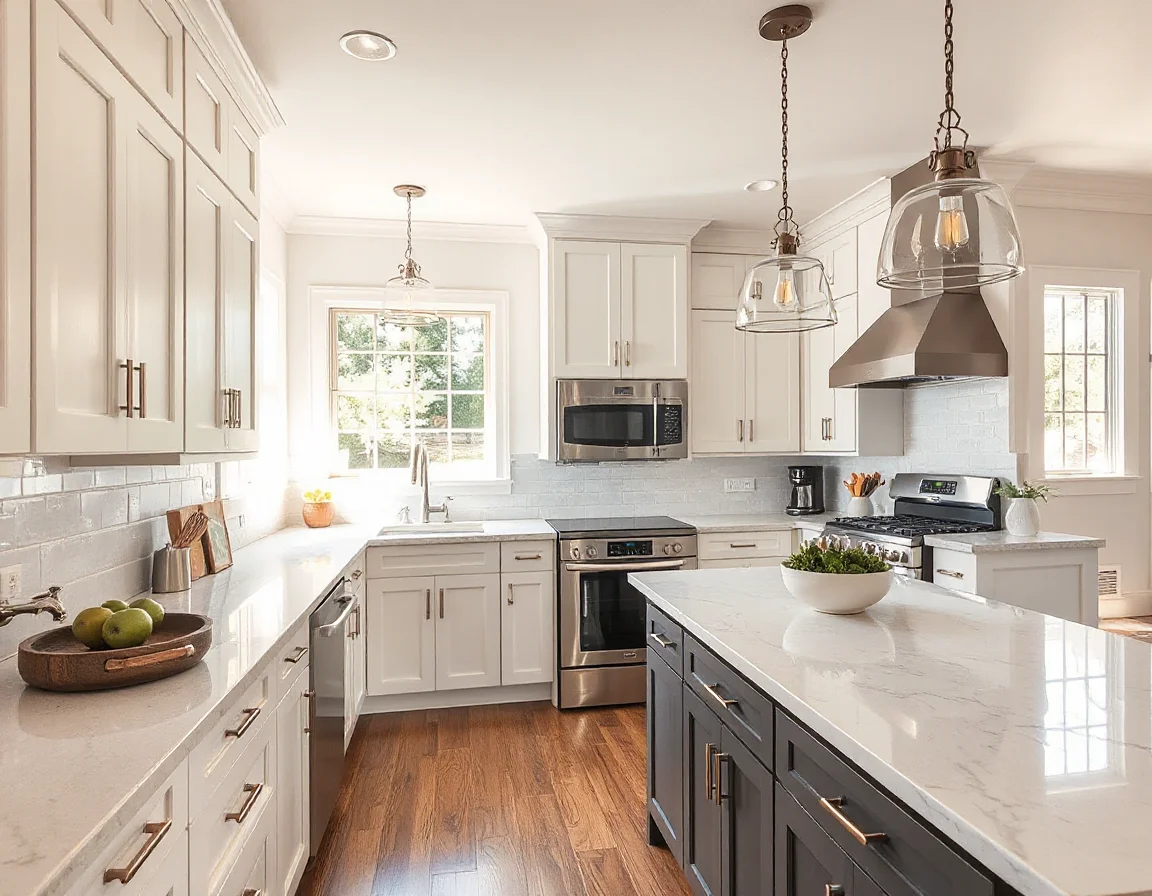
Before selecting materials, look at what is already there. Cabinet layout, appliance locations, window placement, and the condition of flooring all influence which improvements will be noticeable. If the room has a functional layout and solid cabinet boxes, a targeted refresh may deliver more value than a complete reconstruction. Fresh paint, repaired trim, updated hardware, and a carefully chosen backsplash can change the visual rhythm of the room without moving plumbing or walls.
Consistency matters as much as novelty. A buyer may not remember the name of a countertop material, but they will notice when cabinet pulls, faucet finish, lighting, and appliances feel intentionally coordinated. Neutral, durable selections generally make it easier for prospective buyers to imagine adding their own tableware, artwork, and personal style. The goal is not to make the kitchen look identical to every other home; it is to make it feel polished, usable, and appropriate to the property.
A well-executed refresh often begins with the details buyers touch first: cabinet hardware, faucet operation, drawer movement, lighting controls, and clean grout lines.
Condition is equally important. Peeling cabinet finish, stained caulk, loose hinges, dated fluorescent fixtures, or a visibly worn sink can distract from larger strengths in the home. Addressing these smaller maintenance items before listing helps prevent the kitchen from reading as a future project. It also gives listing photos a cleaner, calmer foundation.
Choose Updates That Balance Appeal and Durability
Countertops, backsplash tile, and lighting are often the most visible kitchen upgrades because they shape the room’s color and texture. For resale preparation, durable surfaces with a restrained pattern tend to have broad appeal. Quartz, quality solid-surface materials, and well-maintained stone can offer a clean look and straightforward upkeep. If existing counters are in good shape, replacing only a damaged or heavily dated backsplash may be enough to shift the room’s overall impression.
Cabinet replacement can be a major investment, so it is worth separating cosmetic issues from structural ones. Cabinet boxes that are sound may benefit from professional painting or refacing, updated doors, soft-close hardware, or modern pulls. If doors are warped, storage is inefficient, or the cabinetry is beyond repair, replacement may make sense—but the scale of the project should still align with the home’s expected market position and the condition of nearby competing listings.
Lighting deserves more attention than it often receives. Layered lighting can make counters easier to use and photographs more inviting. Recessed fixtures, under-cabinet lighting, and a simple pendant over an island or dining counter can each serve a distinct role. Warm, consistent bulb temperatures help avoid the mismatched blue-and-yellow look that can make an otherwise updated kitchen feel unfinished.
Appliance decisions should be practical. A matching appliance suite can create visual cohesion, especially when older appliances are visibly different in finish or scale. However, replacing a functioning appliance simply for a trend may not be the best use of a pre-sale budget. Reliable operation, clean surfaces, and a coordinated presentation often matter more than choosing the most elaborate model available.
Make Storage and Workflow Easy to Understand
Kitchen appeal is not limited to finishes. Buyers also notice whether the room works. Clear counters, usable prep areas, accessible storage, and a logical path between sink, cooktop, refrigerator, and pantry can make a meaningful difference. Sellers do not always need to alter the layout to improve functionality; sometimes the best step is to repair drawers, add shelf organizers, remove excess items, and stage the room so its available workspace is easy to see.
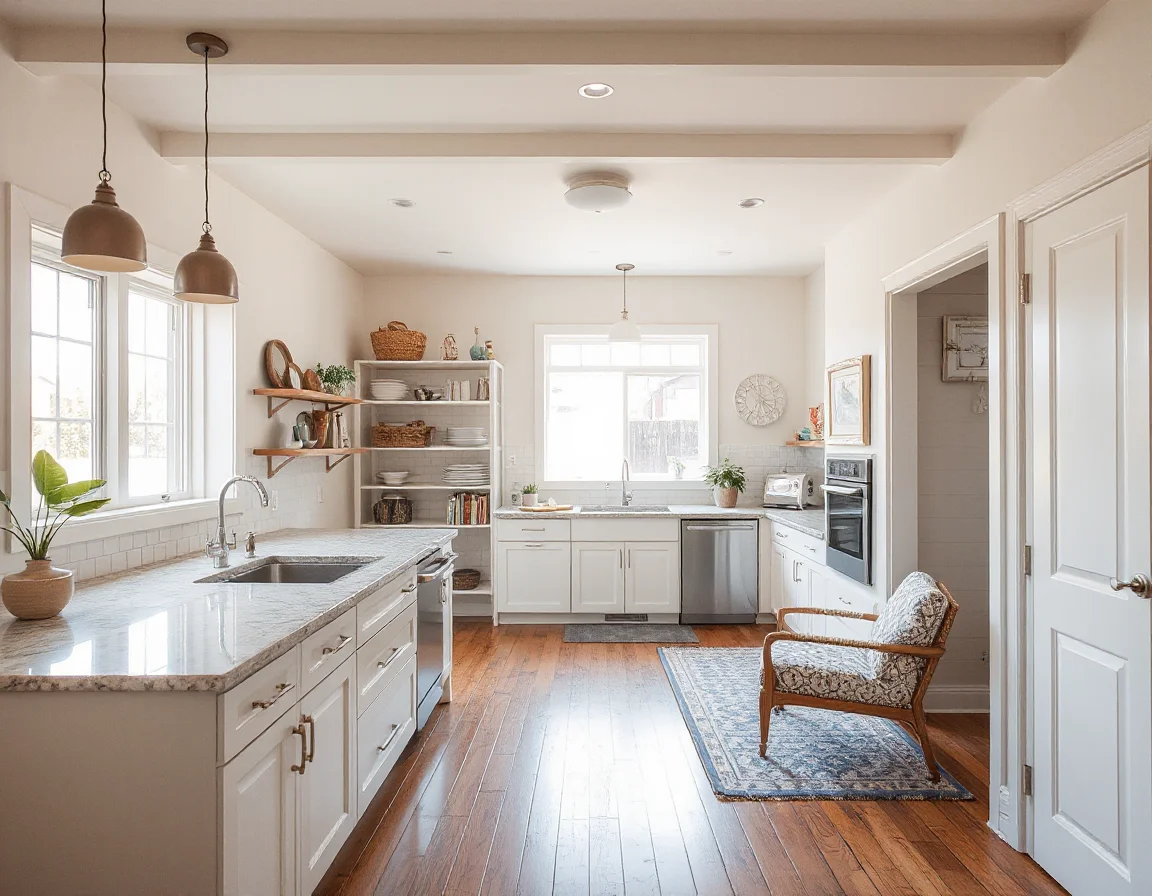
Small improvements can add up. A pullout trash system, repaired lazy Susan, deep drawer for cookware, or well-lit pantry shelf may not dominate a listing photo, but these details become tangible during a showing. If adding storage features, prioritize options that are easy to operate and appropriate to the existing cabinetry rather than highly customized installations that may not match the rest of the kitchen.
Staging also supports the sense of workflow. Keep only a few purposeful items on the counters, such as a bowl, a cutting board, or a small plant. Remove mismatched countertop appliances, refrigerator magnets, and overfilled open shelving. This is not about making the kitchen look unused; it is about allowing buyers to see the counters, cabinet fronts, and circulation space without visual interruption.
Ventilation, water pressure, and electrical outlets should be checked as part of pre-listing preparation. A kitchen can look updated while still raising questions if the hood fan is noisy, an outlet does not work, or the faucet drips. Straightforward repairs help ensure the experience during a showing supports the quality suggested by the finishes.
Spend With the Local Market in Mind
Not every improvement has to be completed before listing, and not every kitchen needs the same level of investment. The best strategy begins with a realistic comparison of the home against current competition: Are buyers seeing updated kitchens at a similar price point? Does this kitchen need a refresh to avoid feeling dated, or is it already a strength that only needs careful preparation? Those questions help determine whether the right approach is paint and hardware, a mid-level renovation, or simply thorough cleaning and repair.
Before committing to a large renovation, compare the proposed finish level with active and recently sold homes so the update supports the listing strategy rather than outpaces it.
A thoughtful scope also protects the home’s broader presentation. If the kitchen becomes dramatically more modern than adjoining rooms, buyers may start calculating the cost of updating everything else. Carrying a compatible palette into nearby dining and living areas—through paint, lighting, or simple styling—can create a more cohesive transition. This does not require every room to match; it simply helps the home feel considered from one space to the next.
Keep documentation for meaningful work, including contractor invoices, appliance warranties, permits where applicable, and product information. Buyers may appreciate knowing when improvements were completed and what materials were used. Clear records are especially helpful when an upgrade involves plumbing, electrical work, ventilation, or structural changes.
Search Vintage Greens listings
A Polished Kitchen Supports the Entire Listing
The strongest resale-focused kitchen upgrades are rarely about chasing a single trend. They are about presenting a clean, functional, well-maintained space that fits naturally with the home. By focusing on visible condition, durable materials, practical storage, coordinated finishes, and an investment level informed by the local market, sellers can make the kitchen a confident part of the listing story. A careful plan can help buyers focus less on future to-do lists and more on the home’s existing possibilities.