

San Rafael offers a practical mix of shoreline scenery, walkable public spaces, established dining corridors, and everyday services within central Marin County. Whether you are comparing neighborhoods, planning a move, or simply getting to know the city, the best way to understand it is to notice how its waterfront routes, local streets, and daily errands fit together.
A City Shaped by Water, Hills, and Daily Routines
San Rafael has a distinctly layered feel: the civic and commercial center is set inland from the bay, while tidal channels, marshland, and shoreline paths create a different rhythm closer to the water. That contrast is part of what makes exploring the city useful for home buyers. A morning can begin with a walk beside the water, continue with errands near central San Rafael, and end with dinner along one of the city’s established dining corridors.

The waterfront is not one single continuous destination; it is a collection of settings that range from bay-edge trails to channel-side routes and marina views. The San Rafael Creek corridor, the Canal area, and nearby shoreline open space all offer opportunities to get outside without leaving the city. Conditions can vary with tides, weather, and the specific access point, so it is worth visiting at more than one time of day when evaluating a location.
For many residents, these routes are less about a major excursion and more about adding fresh air to an ordinary schedule. A short walk before work, an afternoon bike ride, or a pause near the water can become an easy part of the week. The views are shaped by changing light, marsh vegetation, boats, and the broad geography of San Pablo Bay.
When comparing homes in San Rafael, test the route to the places you will use most often: a waterfront path, grocery stop, transit connection, medical office, or favorite place to meet friends can reveal more than a map pin alone.
Nearby regional destinations expand the outdoor options. China Camp State Park, for example, is known for its shoreline setting and trail network, while other Marin open spaces provide access to hiking, cycling, and bay views. Travel time depends on the starting neighborhood and time of day, but San Rafael’s central position makes it a useful base for reaching many parts of Marin County.
Dining, Gathering Places, and the Center of Town
Central San Rafael brings together public buildings, local services, theaters, small businesses, and a broad range of dining choices. Fourth Street is one of the city’s best-known corridors, with an active street presence that shifts throughout the day. Coffee, casual meals, international cuisines, bakeries, and sit-down dining are available within and around the central district, giving residents options for a quick stop or a longer evening out.
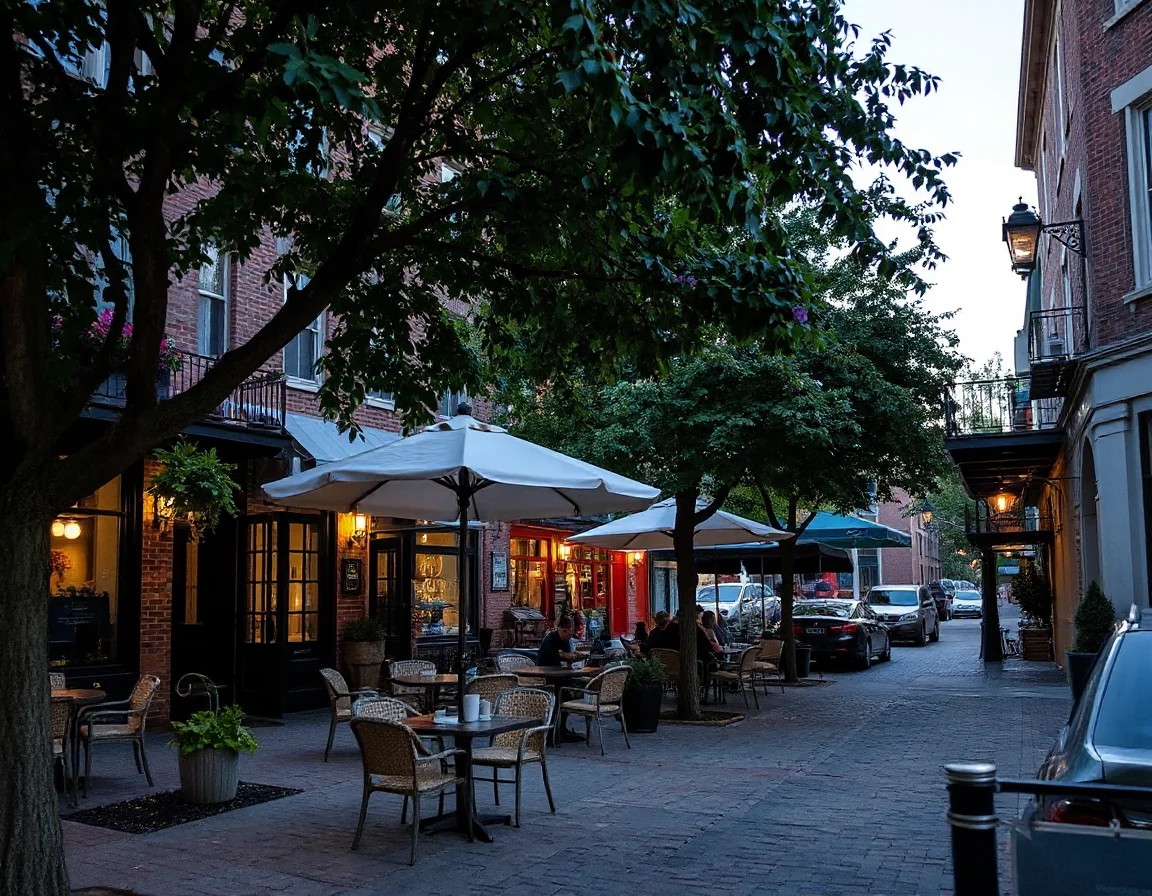
What stands out is the variety of scale. Some blocks feel lively and active, while nearby side streets offer a quieter pace and older architectural details. The city’s cultural calendar also brings periodic events, performances, and community programming to central gathering spaces. Checking current schedules is the best way to find what is happening during a particular visit or season.
Food and gathering places can be especially helpful reference points when learning a new area. Instead of trying to assess an entire city in one afternoon, spend time in a few different parts of San Rafael: have breakfast near the center, drive toward the Canal, walk a shoreline route, and stop in a neighborhood commercial area. The transitions between these places tell a more complete story about the city’s day-to-day flow.
Convenience is not limited to dining. San Rafael serves as Marin County’s county seat and includes grocery stores, fitness facilities, pharmacies, professional services, healthcare resources, public facilities, and a mix of local and regional retail. Transit connections, including the SMART station and bus service, may be a meaningful consideration for buyers whose schedules include trips within Marin, Sonoma County, or the broader Bay Area.
Housing Choices and Practical Considerations
San Rafael’s housing inventory spans a wide range of property types, architectural periods, and settings. Depending on the neighborhood, buyers may encounter condominiums, townhomes, single-level residences, hillside homes, homes near commercial corridors, and properties with access to different outdoor amenities. Lot size, topography, parking, renovation history, and proximity to transit or major routes can all influence both lifestyle and value.
Waterfront-adjacent areas deserve a careful, property-specific review. Buyers should understand flood-zone designations, insurance considerations, elevation, drainage, and any applicable homeowners association documents before making decisions. The same careful approach applies to hillside properties, where access, vegetation management, drainage, and road conditions may vary. These are not reasons to avoid a setting; they are practical details to evaluate with the right professionals and current documentation.
Older homes may offer character through original millwork, mature landscaping, or established street patterns, while more recently updated properties may emphasize revised kitchens, flexible rooms, energy improvements, or low-maintenance outdoor areas. Neither approach is automatically better. The useful question is how a particular home supports your priorities for space, upkeep, location, and future plans.
A thoughtful home search also means looking beyond the listing photos. Visit at different times when possible, note traffic patterns and sunlight, check storage and parking, and consider how deliveries, guests, recreation, and routine errands would work. If a property is near a path, waterway, or busy corridor, spend a few extra minutes there to understand the surrounding activity and atmosphere.
Making the Most of a San Rafael Visit
For a productive first look, create a simple loop rather than racing from one showing to another. Start near central San Rafael, spend time around Fourth Street, then head toward a waterfront route or marina setting. From there, explore a few residential streets that match your price range and preferred property type. This approach makes it easier to compare not just homes, but the practical distance between home, recreation, services, and transportation.
Bring a short list of questions. How long does the drive take during the hours that matter to you? Is there a comfortable walking or cycling route nearby? What services are within a reasonable distance? Are there local features, association requirements, or environmental considerations that should be researched before submitting an offer? Clear questions lead to a more grounded search.
San Rafael’s appeal is often found in this balance of access and variety. Bay-edge scenery can sit within a short drive of a lively meal, a grocery run, a trailhead, or a transit connection. For buyers considering Marin County, that blend of waterfront atmosphere and everyday convenience is well worth exploring in person.