

Rohnert Park home prices are easier to understand when buyers and sellers look beyond a single headline number. Inventory, condition, location within the city, financing terms, and the pace of new listings can all influence what a home commands and how quickly it moves. A practical market read starts with current choices—not last season’s assumptions.
Reading the Rohnert Park Market Beyond the Median Price
It is tempting to treat one market statistic as the full story: the median sale price, the latest list-to-sale ratio, or the number of homes currently for sale. Those figures can be useful starting points, but they do not explain the choices in front of a buyer or the strategy needed by a seller. In Rohnert Park, a broad range of home styles, lot sizes, updates, and ownership structures means that comparable properties can perform very differently from one block to the next.
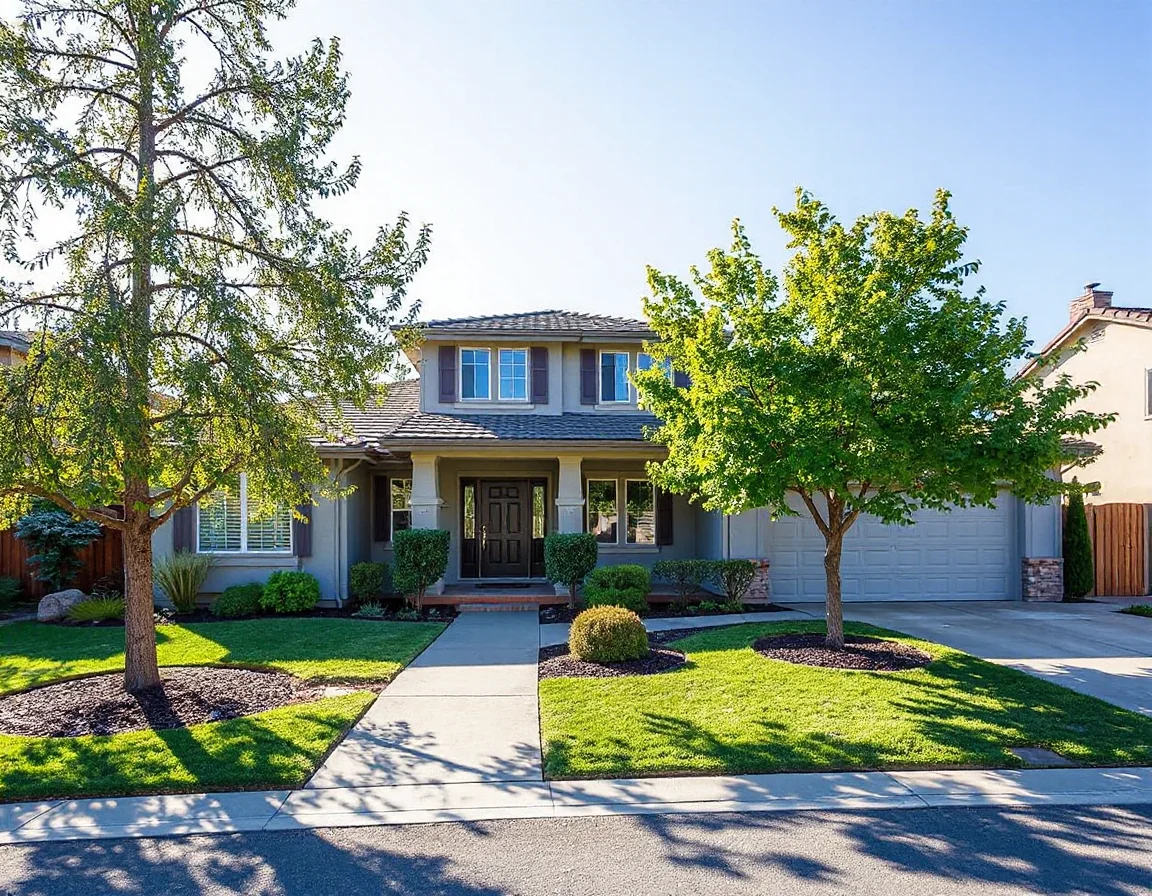
Price is a range, not a promise. A move-in-ready property with thoughtful kitchen and bath improvements, current systems, and polished outdoor spaces may attract more attention than a similar-sized home needing immediate work. At the same time, a property with original finishes may create an opening for a buyer who is comfortable planning improvements over time. The right comparison is not simply “same number of bedrooms”; it is a close look at condition, usable layout, lot characteristics, parking, association details where applicable, and recent competing sales.
Location also shapes pricing in ways that a citywide average cannot capture. Proximity to parks, local services, transit connections, Sonoma State University, and major travel corridors may affect convenience and buyer interest, while street setting, traffic patterns, and nearby open space can influence how a particular property is perceived. These are objective property factors to weigh alongside square footage and bedroom count.
For sellers, the most useful question is usually not “What is the highest sale nearby?” but “Which recent homes would a buyer honestly compare with mine today?” That distinction leads to more credible pricing and a more focused preparation plan. For buyers, it helps separate a well-supported asking price from a number that may be relying on limited or outdated comparisons.
A home can be correctly priced for its condition and still need a different strategy than a newly renovated competitor. Comparing active listings is just as important as reviewing closed sales.
Inventory Sets the Context for Every Offer and Listing
Inventory is the count of available homes relative to the pool of active buyers. When there are fewer suitable choices on the market, well-presented listings may receive prompt attention. When selection expands, buyers often have more time to compare layouts, disclosures, improvement needs, and monthly ownership costs. Neither setting is automatically “good” or “bad”; each calls for clear expectations and a well-timed plan.
Watching the new-listing flow matters because the market can change quickly. A buyer may see only a handful of options one week and a substantially different group after several homes launch. Likewise, a seller entering the market should know whether similar homes are already available, pending, reducing their price, or recently withdrawn. Those details reveal the competitive environment far better than a broad statement that inventory is up or down.

Buyers can use inventory data to become more precise rather than more reactive. Start with nonnegotiable needs, then identify features that are preferred but flexible. Review disclosures early, estimate renovation costs carefully, and keep financing documentation current before the right home appears. An offer is strongest when its terms are understandable, its timing is realistic, and its price is grounded in current alternatives.
For sellers, inventory is a cue to refine the launch rather than skip preparation. Professional photography, clear disclosure organization, repairs that remove avoidable distractions, and a tidy presentation can make it easier for buyers to understand a home’s value. A listing that enters the market with complete information gives interested parties a better foundation for evaluating it promptly.
Market Pace Is About More Than Days on Market
Days on market can indicate demand, but it needs context. A listing that receives strong activity in its first week may be aligned with current buyer expectations. A listing that remains available longer is not necessarily a problem property; it may simply need a closer review of price, presentation, condition, or the terms being offered. Seasonal listing patterns, interest-rate movement, and the number of comparable homes can all change the tempo.
The first several weeks are especially informative because that is when a new listing is most visible to buyers already watching the market. Sellers should pay attention to the quality of feedback, showing volume, saved-listing activity when available, and how comparable properties are performing. A thoughtful adjustment based on real-time evidence can be more effective than waiting for a market shift to solve a positioning issue.
Buyers should avoid assuming that every home will either receive multiple offers immediately or remain available indefinitely. Some properties generate quick interest because their pricing, condition, and location line up well with current demand. Others may offer room for discussion after a longer exposure period. The most productive approach is to review the individual listing’s history, competing options, disclosures, and value relative to recent sales before deciding how to proceed.
What to Compare Before Making a Decision
A focused analysis can make an active market feel much more manageable. Whether preparing to sell or considering an offer, compare properties with similar square footage, bedroom and bath count, lot utility, parking, year built, and condition. Then look deeper: Has the roof been replaced? Are major systems documented? Is there an association fee? Are there solar agreements, permits, or inspection items that affect the overall cost and timeline?
- Closed sales: evidence of what buyers recently paid for comparable homes.
- Pending homes: a partial indicator of where current demand is forming.
- Active listings: the alternatives a buyer can choose today.
- Expired or withdrawn listings: useful clues about pricing or presentation that did not connect with the market.
- Ownership costs: property taxes, insurance, utilities, association dues, maintenance, and financing all belong in the decision.
For a seller, this comparison creates a pricing range that can be defended with current evidence. For a buyer, it supports an offer that is competitive without losing sight of the property’s actual condition and long-term ownership costs. In both cases, the goal is not to predict every market movement. It is to make a well-informed decision with the information available now.
A Clear Plan Matters More Than a Perfect Forecast
Rohnert Park’s real estate market is best understood as a collection of individual property stories shaped by inventory, timing, condition, and buyer demand. Citywide trends provide helpful context, but a specific home deserves a specific analysis. Reviewing fresh local data before touring, listing, pricing, or writing an offer can replace uncertainty with a practical next step.
Whether the immediate goal is to explore available homes, prepare a property for market, or simply understand how current conditions compare with a recent sale, a detailed conversation about the relevant listings can bring the numbers into focus. The strongest decisions come from matching market data to the home—not forcing the home to fit a headline.