
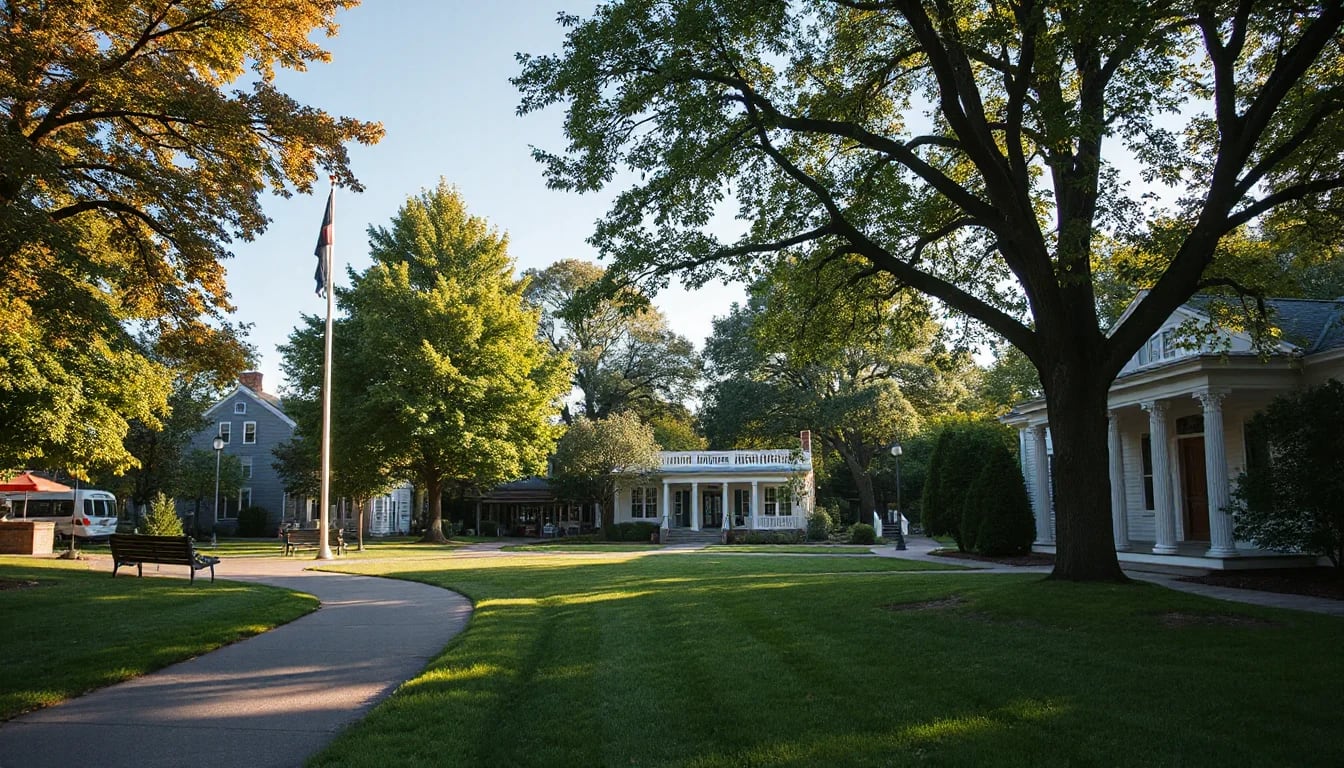
Petaluma offers an appealing mix of riverfront paths, preserved architecture, everyday conveniences, and access to Sonoma County destinations. Whether you are comparing neighborhoods, planning a move, or simply getting to know the city better, a walk along the river and through the historic core reveals the details that make this area distinct.
A Riverfront City with Room to Explore
Petaluma’s relationship with the Petaluma River gives the city a character that feels both active and grounded in history. The waterway helped shape the community’s development, and today it remains a visible part of local life through riverfront views, walking routes, seasonal events, and the Turning Basin near the historic center. Exploring on foot is one of the best ways to notice the shift from older commercial blocks to residential streets, open spaces, and practical daily amenities.
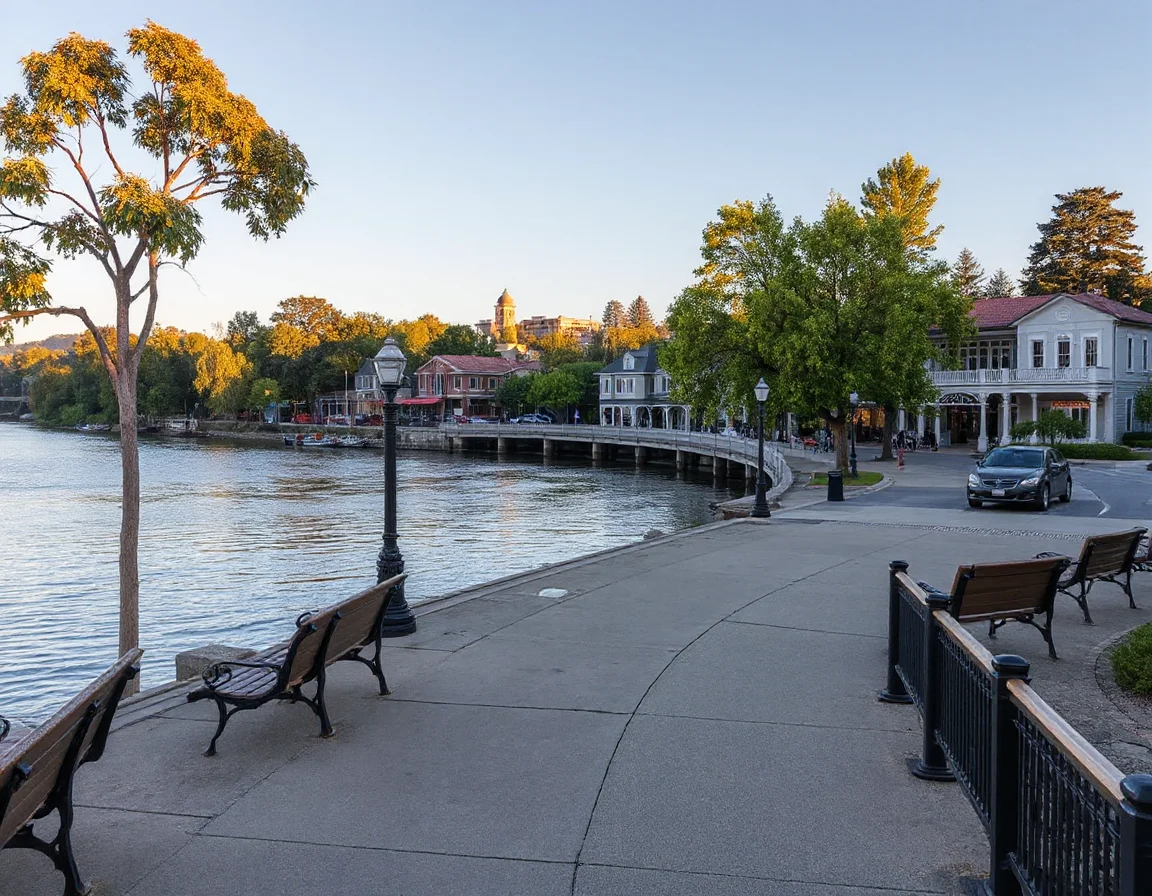
Along the river, the scenery changes with the time of day. Morning light often catches the water and nearby trees, while later afternoons can make a walk through the central area feel especially inviting. The terrain through much of the core is relatively easy to navigate, though anyone planning a route should check current path conditions, crossings, and accessibility details before heading out. Short outings can connect the riverfront with public gathering spaces, local services, and the architecture that has made Petaluma recognizable throughout Sonoma County.
For residents and visitors alike, riverfront trails are less about checking off a destination and more about creating a flexible routine. A brief walk can fit between errands, while a longer route can become part of a weekend plan. The river also offers a useful point of reference when learning the city: streets, bridges, older warehouses, and civic spaces all help tell the story of how Petaluma grew around a working waterway.
The Petaluma River is a practical orientation point as well as a scenic one: start near the Turning Basin, then use the river corridor to connect a historic walk with nearby parks and everyday services.
Outdoor recreation extends beyond the immediate riverfront. Local parks, open-space destinations, and regional routes provide options for walking, cycling, and simply taking in the rolling Sonoma County landscape. Weather can vary by season and by neighborhood, so a light layer and comfortable shoes are worthwhile for exploring. Those comparing homes may also find it helpful to visit an area at more than one time of day to understand traffic patterns, sunlight, street activity, and the rhythm of nearby amenities.
Historic Streets and Everyday Amenities
The historic downtown area is one of Petaluma’s most memorable features. Brick facades, Victorian-era details, early twentieth-century commercial buildings, and carefully maintained public spaces create a strong visual identity without turning the district into a museum piece. It is a functioning part of the city, with gathering places, professional services, cultural venues, and a steady calendar of community activity woven into blocks that still reflect Petaluma’s past.
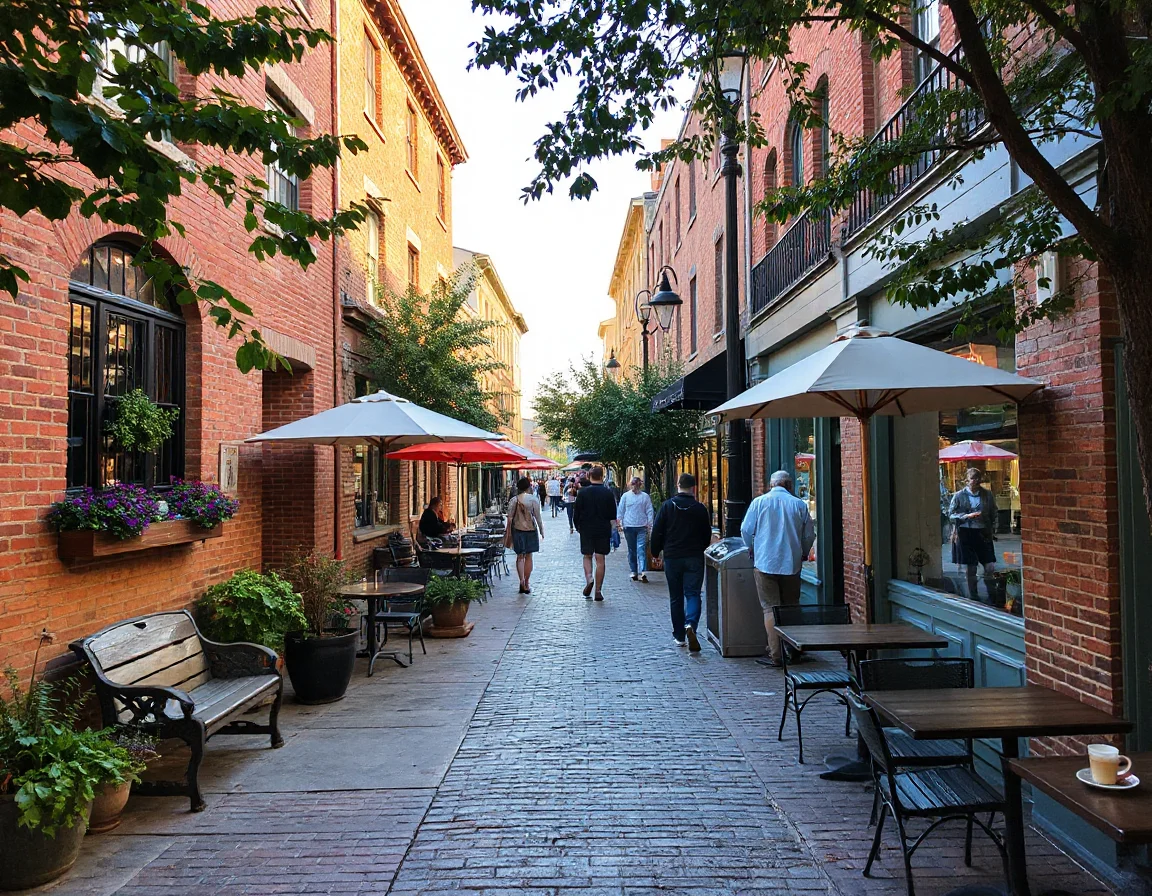
That blend of historic character and daily usefulness matters when evaluating location. In addition to the central district, Petaluma includes grocery options, health and wellness services, libraries, recreation facilities, public parks, and a variety of transportation connections. The Sonoma-Marin Area Rail Transit service, local transit routes, and Highway 101 access are considerations for people whose schedules take them around Sonoma and Marin counties. Actual travel times can change considerably, so it is wise to test a route at the time you expect to use it.
Local food and gathering options are another part of the city’s appeal. Petaluma’s agricultural setting influences its culinary culture, and the broader region provides access to farm stands, vineyards, seasonal produce, and regional events. The city also has arts programming, independent businesses, and public events that bring activity to the central area throughout the year. Availability and schedules change, but keeping an eye on city calendars and venue listings can help newcomers find what is happening after a move.
Education is an important research topic for many home buyers, and Petaluma has public, charter, and independent school options across the area. School attendance boundaries, enrollment procedures, transportation availability, and program offerings can change, so buyers should consult the relevant districts and individual schools directly rather than relying on a listing description. The same approach applies to utility providers, internet service, zoning, and permit history: current documentation is always more valuable than a general assumption.
Historic charm can come with practical questions. When considering an older property, review permits, maintenance records, insurance considerations, and any preservation or zoning requirements early in the process.
The housing landscape reflects Petaluma’s layered history. Buyers may encounter Victorian and Craftsman homes near established streets, mid-century residences, townhomes, newer construction, and properties with varied lot sizes across the city. Architectural details can be a major draw, but they should be considered alongside the condition of systems such as roofing, drainage, electrical, heating, and foundations. A careful inspection strategy helps turn an appealing first impression into an informed decision.
How to Explore Petaluma Like a Local
A useful first visit does not need an elaborate itinerary. Begin with a riverfront walk, spend time in the historic center, then drive or walk through a few areas that match your preferred home style, lot size, and access needs. Notice practical details: where you would park, how close daily services feel, whether a route has hills or busy intersections, and how the street changes from weekday to weekend. These observations are often more useful than a quick online search.
For a deeper look, return during a different season or time of day. Petaluma can feel distinctly different on a sunny weekend afternoon, during a foggy morning, or on an evening when the central district is active. Seasonal conditions also affect landscaping, outdoor spaces, commute timing, and riverfront views. Taking notes and photos during visits can make it easier to compare locations later without relying solely on memory.
Home buyers should also consider the full ownership picture. Purchase price is only one part of the equation; property taxes, insurance, utility costs, potential repairs, commute expenses, and neighborhood-specific considerations all shape the long-term budget. A local real estate professional can help organize this research, coordinate property tours, and identify questions to bring to inspectors, lenders, municipal departments, or homeowner associations when applicable.
Petaluma’s appeal is found in the combination rather than any single feature: a working river, walkable historic blocks, access to regional recreation, and a housing inventory with meaningful variety. Spend enough time exploring the trails, civic spaces, and residential streets, and the city’s character becomes easier to understand. For anyone considering a move, that firsthand experience can be the best starting point for finding a property and location that support the way they want to live.